

As part of our effort to increase transparency and share our thinking more broadly, we will begin sharing the introduction to our quarterly Scenius Ventures investor updates with our Substack audience. While the full update remains confidential to investors, we hope the themes and perspectives we highlight in the introduction are valuable to a broader set of readers.
Dear Partner,
Patrick O’Shaughnessy, host of the podcast Invest Like the Best (an inspiration to Scenius Studio), recently tweeted out a link to a blog post, “The Decline of Deviance” by famous Substacker Adam Mastroianni. The unusual title caught our eye.
Mastroianni, a PHD Psychologist from Harvard who publicly shares his research via his blog, assembles a range of statistically validated trends that, taken together, support a quietly unsettling thesis: the world is becoming less weird. On the surface, this looks like progress. Teen drinking, smoking, and pregnancy are all down. Crime has fallen. Serial killers and cults have largely faded into history.
But the gains come with a cost. We may also be living through an “epidemic of the mundane”, a flattening of culture that coincides with a loneliness spike, declining birthrates, and an erosion of originality. Music increasingly blends into itself and is repetitive. Nearly 75% of top-grossing films are sequels, prequels, or spinoffs. Even our cars now arrive in the same narrow palette of black, silver, gray, and white.
We won’t rehash the blog in its entirety, but the author takes care to address the counterpoints and the natural question of “did previous generations complain about the exact same thing”? Whether you agree with the conclusion or not, the piece is worth the read. With this observation at the forefront, we naturally started to examine the crypto world with an eye for weirdness.
Our subjective assessment yielded a similar finding. Crypto, while still weird by most standards, is undeniably much less deviant than it once was. Immense volatility, novel primitives (e.g. Perps, & NFTs), video-game-like returns, and theatrical attempts atdecentralized governance were the norm just a few years ago. This era of prolific experimentation (2008-2024) largely aligned with crypto’s rejection by the establishment (i.e. SEC, Warren Buffett, JP Morgan, etc). With the 2024 Trump election, however, the red carpet was symbolically rolled out for our battered and bruised industry of heathens. Nations and institutions have now accepted crypto and thus our conferences feature blazers and penny loafers rather than the sweaty t-shirts and Birkenstocks of yesteryear.
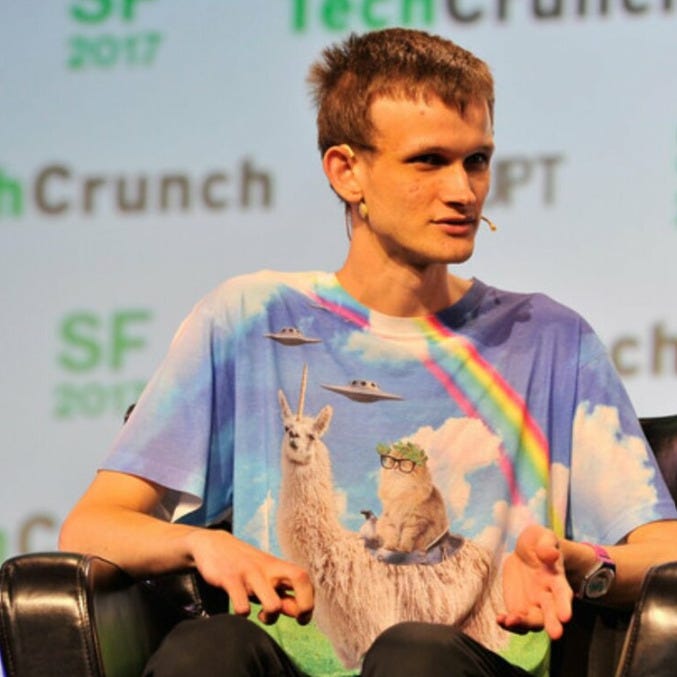
“Institutional adoption” has been the industry’s rallying cry for more than a decade. The moment we would know we had truly made it, when firms like BlackRock and Apollo are active participants and on our side. Now that this moment has arrived, fundamentals have never been stronger, and the growth trajectory of blockchain and digital assets has never enjoyed more powerful tailwinds. But with derisking and structured adoption comes the other edge of the sword: a gradual erosion of the experimentation that once defined the space.
The best venture returns often don’t start as consensus. To the contrary, they sprout from ideas that at first feel beyond the pale. Rent your home to a stranger? Magic internet money? Speculate on the electoral map? None of these could ever work!
Of course, many exceptional companies (and future unicorns) will be built in crypto’s consensus zones of product–market fit, including stablecoins, DeFi, and infrastructure. We are excited to have meaningful exposure to several of these promising upstarts through Scenius Ventures I. At the same time, we believe it is critical to continue sourcing and embracing the weird within crypto. Breakthrough opportunities rarely announce themselves in advance, which is why we believe sustained engagement at the weird edges of the ecosystem remains essential.
One fringe corner of the crypto ecosystem that has recently sparked a wave of excitement and innovation is Futarchy, championed by MetaDAO and its pseudonymous, mask-wearing founder, Proph3t (pretty weird if you ask us!). Futarchy is a governance framework in which decisions are guided by markets rather than committees: traders speculate on whether a proposal would increase or decrease a token’s value, and organizations adopt or reject proposals accordingly.
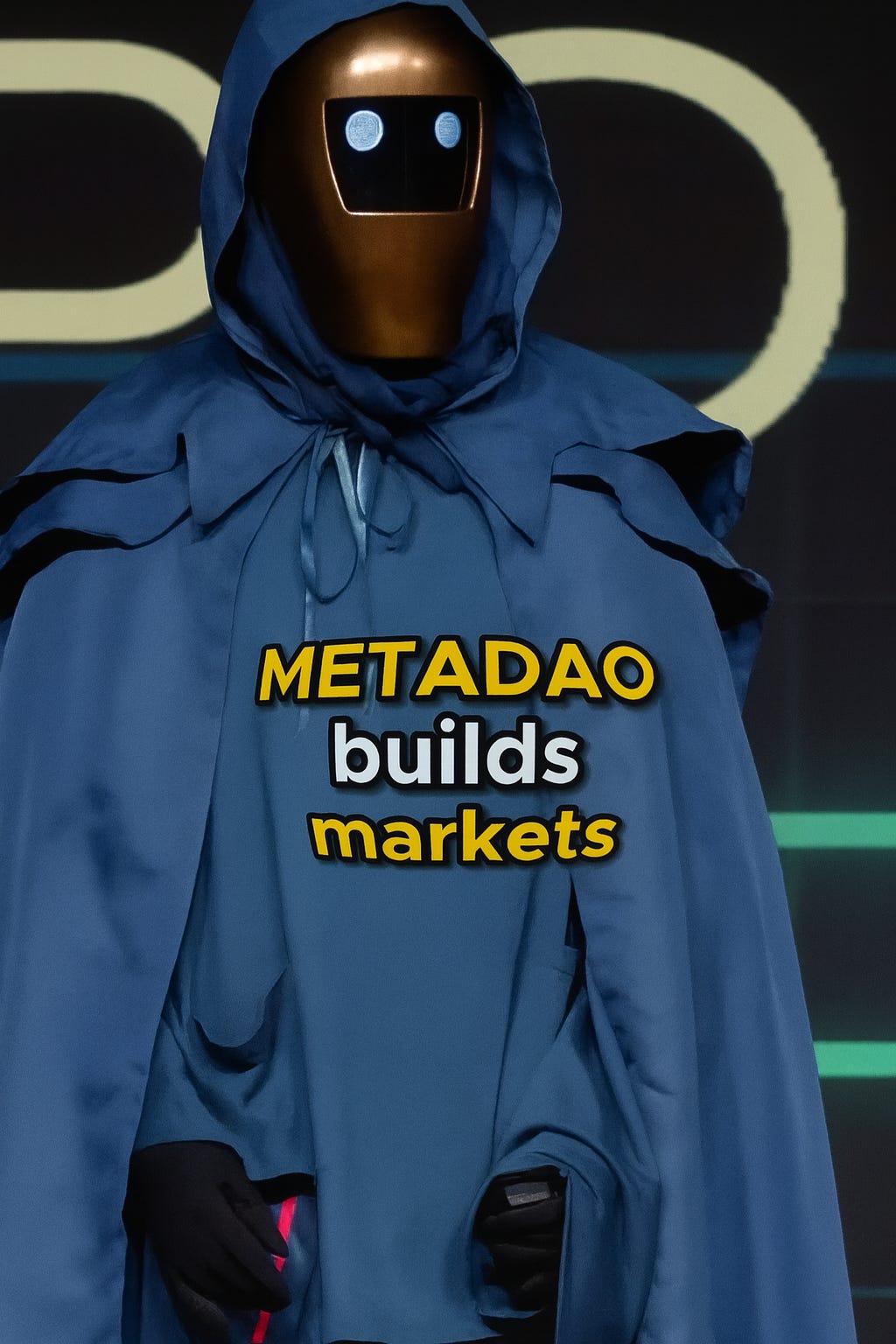
By embedding futarchy directly into its protocol, MetaDAO has evolved into a token launchpad that allows projects to launch tokens under transparent, market-driven frameworks, with Futarchy governing both protocol design and treasury decisions. In an environment where confidence in token launches and valuations has eroded, MetaDAO stands out as a differentiated model with early but meaningful traction. Roughly $25 million of capital has already been raised via MetaDAO-launched projects, and based on its first two months of performance., the platform is tracking toward $5–10 million in annualized revenue.
It remains to be seen whether Futarchy and MetaDAO’s launchpad will expand beyond their small nook of this funky corner of the internet. But it is undeniably a big swing, with enormous impact potential if it gains broader adoption. These cypherpunk values are the same forces that propelled the industry to its current heights. We are proud that several of our venture funds made sizable early investments in MetaDAO, breathing air into a crazy, weird idea when only a faint spark of insight was visible.
Sincerely,
Ben Jacobs & Greg d’Incelli